

Despite the growth of e-commerce and the coronavirus pandemic, the company will continue to increase the number of branded outlets worldwide.
According to Adidas CEO Kasper Rohrsted, even though its online sales are snowballing, people are still interested in visiting regular stores. He says most people want to take a product into their own hands and look at it before buying it. And indeed, not everyone likes to choose sneakers online. Plus, people are just tired of having to sit at home.
“We will continue to build stores,” said the Adidas CEO. And exactly where construction will take place and how many new outlets are planned will be known early next March, when the company unveils its five-year development plan. The creation of new stores will take into account all the experience gained in 2020.
Adidas’ success with online sales was also announced in the third quarter of 2020 when sales increased by 51% compared to the same period last year. Before that, in the second quarter, there was an unprecedented increase of 93 percent. Thanks to this, the revenue from online sales for the past year should reach 4.9 billion dollars, four times higher than in 2019. Despite the success of online sales, the company’s total revenue still fell by 34%.
But the manufacturer is optimistic about the future. According to Rohrsted, despite the current difficulties, the coronavirus pandemic has generally been a problem for companies in the sports industry. Consumers have become more health-conscious and are choosing more comfortable items to wear daily. According to the CEO, “It will be a long time before people want to go back to suits and classic shoes.”
Earlier this week, it was revealed that Adidas intends to begin evaluating Reebok’s strategic alternatives acquired in 2006. And while the brand has been successfully rebranded, likely, it will eventually be abandoned by selling it to another company. According to Kasper Rohrsted, the pandemic “was not at all” the reason for Adidas’ decision.
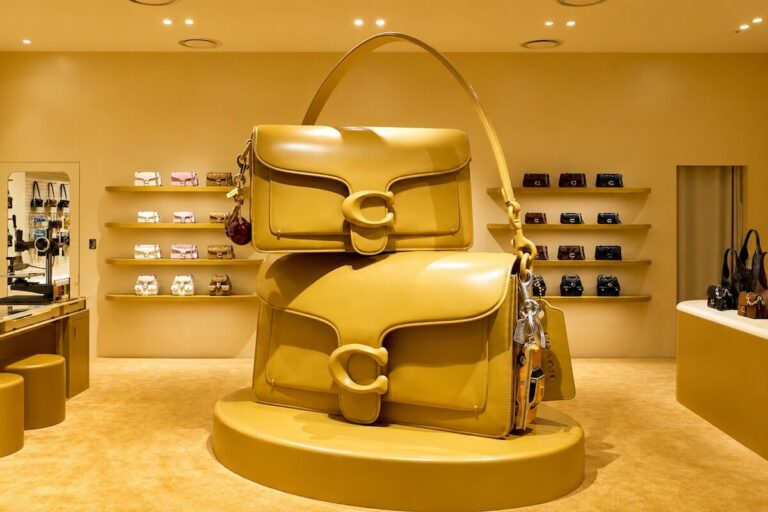
Gross margins and selected profit metrics for Coach, Pop Mart, lululemon, Miniso, Five Below, TJX and Costco, plus where each…
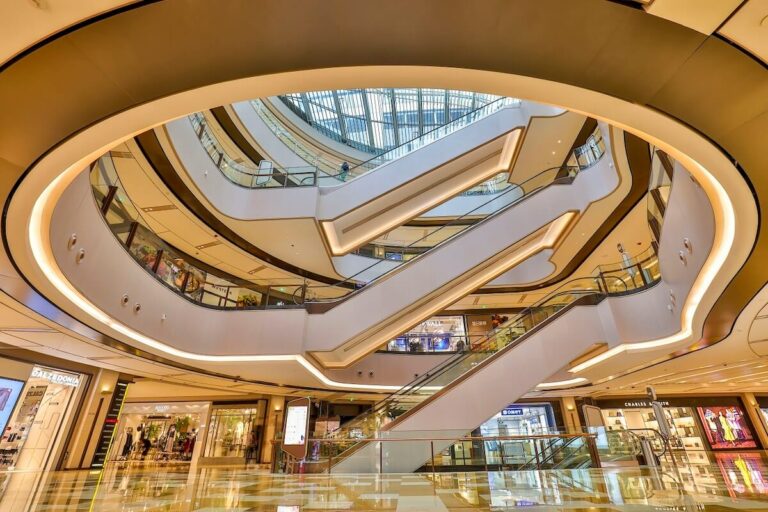
NikeSKIMS, Birkenstock and Starbucks Reserve chose HKRI Taikoo Hui for major China debuts. Why the Shanghai complex keeps winning new…
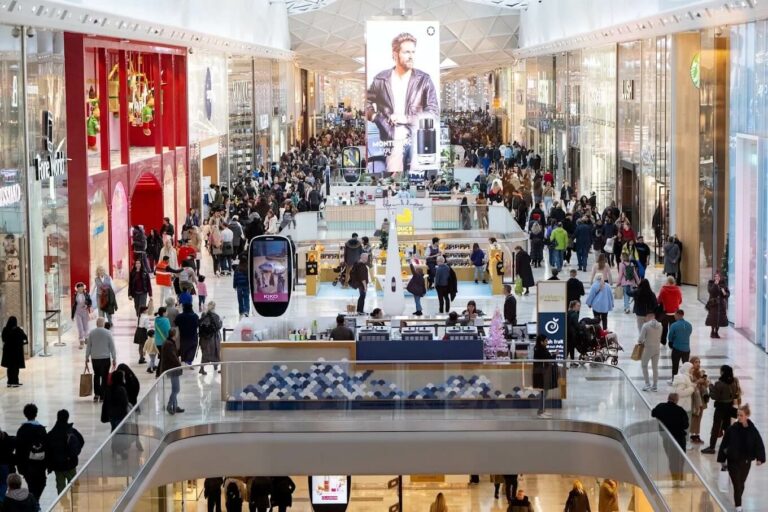
Bluewater opens its first new anchor since 1999. Next takes the former House of Fraser space with about 132,000 square…
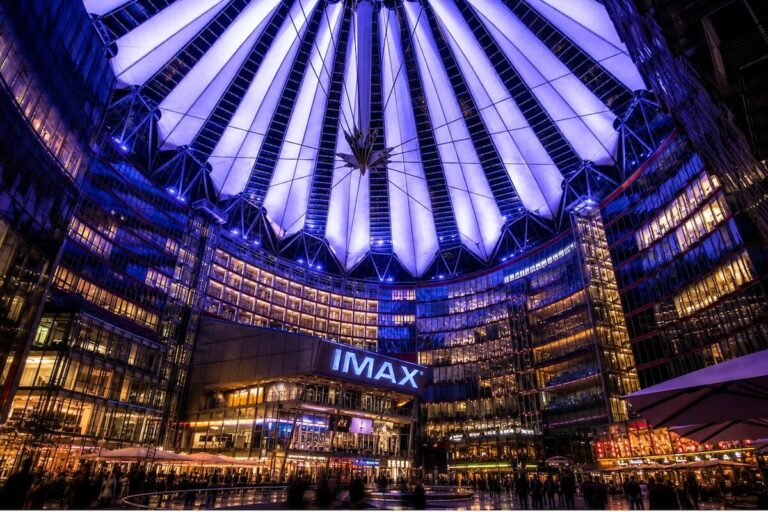
Opening in IMAX 70mm on July 17, 2026: Christopher Nolan's The Odyssey. Select shows went on sale one year in…

European retail is scaling AI, agentic commerce and retail media, but consumer trust is becoming the constraint. Four structural shifts…
Mall operators are no longer leasing space for pop-ups. They are selling audience access.
