

Obtaining an 88.4% share in 840 N. Michigan Avenue in Chicago has provided Acadia Realty Trust with a valuable addition to their portfolio.
For $144.3m, the company has obtained majority shareholding in the 87000ft² property, situated along Miracle Mile in the Gulf Coast area of the city.
The purchase was financed with operating partnership units, cash and around $48.6m of pro-rata debt. It has now gained partnership with four of the original N. Michigan developers – Doris Holleb, Bob Wislow, Camille Julmy and Nancy Pacher.
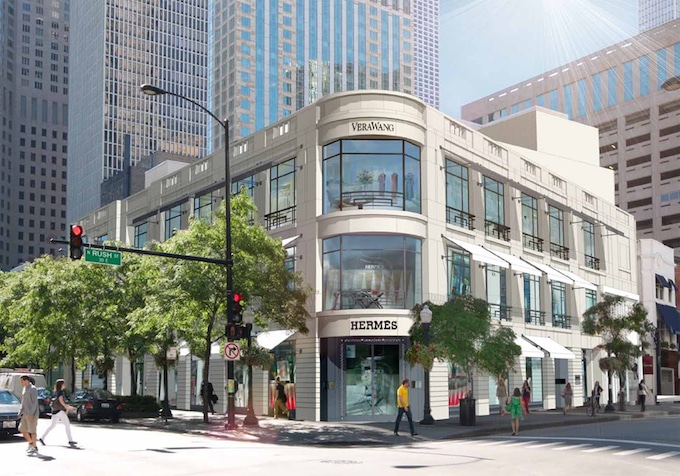
The four-storey retail building occupies a prime corner spot on what was previously the Bonwit Teller Building. It was built during 1992, at a cost of $35m and pre-leased as space for Waterstones Booksellers, FAO Schwarz and Escada. At present, this fully occupied property houses H&M, the European fashion retailer which recently renewed its lease and expanded, and Verizon, which opened a new two-tier, 10000ft² Destination Store during November.
Along with Acadia, the property will be managed by CBRE/US Equities Realty, which is the result of a merger between the Chicago arm of CBRE Group and U.S. Equities Realty.
Acadia has been busy with acquisition during this year and thus far for 2014, it has spent nearly half a billion dollars, including its share in 840 N. Michigan. Other acquisitions of note include the 3200ft² retail co-op unit located at 131-135 Prince Street, Manhattan, which it managed to gain for $51.4m.

Gross margins and selected profit metrics for Coach, Pop Mart, lululemon, Miniso, Five Below, TJX and Costco, plus where each…
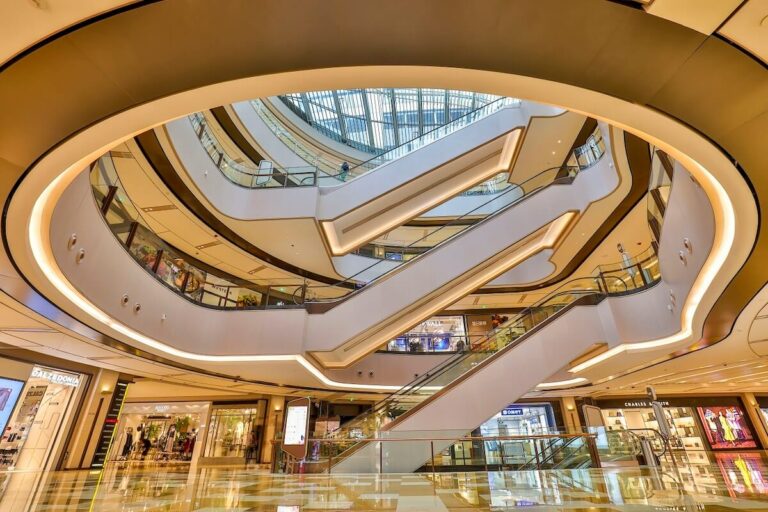
NikeSKIMS, Birkenstock and Starbucks Reserve chose HKRI Taikoo Hui for major China debuts. Why the Shanghai complex keeps winning new…
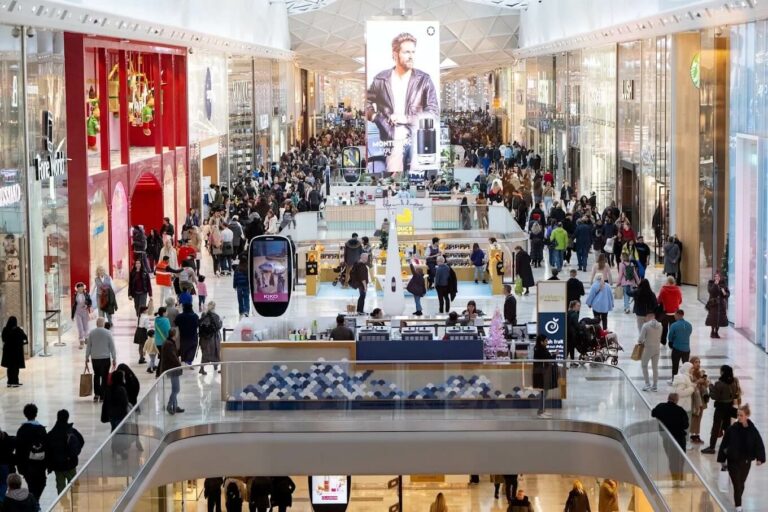
Bluewater opens its first new anchor since 1999. Next takes the former House of Fraser space with about 132,000 square…

Opening in IMAX 70mm on July 17, 2026: Christopher Nolan's The Odyssey. Select shows went on sale one year in…

European retail is scaling AI, agentic commerce and retail media, but consumer trust is becoming the constraint. Four structural shifts…

Mall operators are no longer leasing space for pop-ups. They are selling audience access.
