

Owner and operator of dozens of American malls, the company PREIT could get only half of all of its rental payments from retailers for the second quarter.
Store closures and several bankruptcies due to the pandemic have had the most negative impact on the retail industry. Simultaneously, shopping malls were one of the weakest links, which partially waived rent collection and partly made substantial concessions to tenants. Simultaneously, malls often accumulate their debt, and this imbalance puts many shopping centers on the verge of survival.
An American operator of large shopping centers, the investment fund PREIT has now found itself in a difficult situation. According to the financial company Jefferies, in the second quarter of PREIT, only 53% of rent payments were due. The company’s revenue in the second quarter decreased by about 30% compared to last year. At the same time, the company’s accumulated debt may eventually lead to bankruptcy.
PREIT received a notice from Wells Fargo with a warning for its failure to meet loan obligations. The notification followed an agreement concluded earlier in October, which involved restructuring PREIT’s debt to 80% of its creditors.
The company pledged to continue negotiations with tenants and creditors but promised that if the financial situation fails to improve by October 18. Bankruptcy proceedings will be filed under Chapter 11 of the U.S. Bankruptcy Code. PREIT intends to challenge the kind of problem concerning the financial organization and insists that there was no breach of the deal.
The main reason for the financial difficulties of PREIT was the pandemic; however, the operator of malls noted a gradual decline of income during the last five years. The reason is the departure of large tenants such as Sears, J.C. Penney, and Macy’s, and an overall reduction in retail trade in shopping centers. Thus, the pandemic has only intensified many trends in retailing, which, in turn, has exacerbated financial tensions in this area.
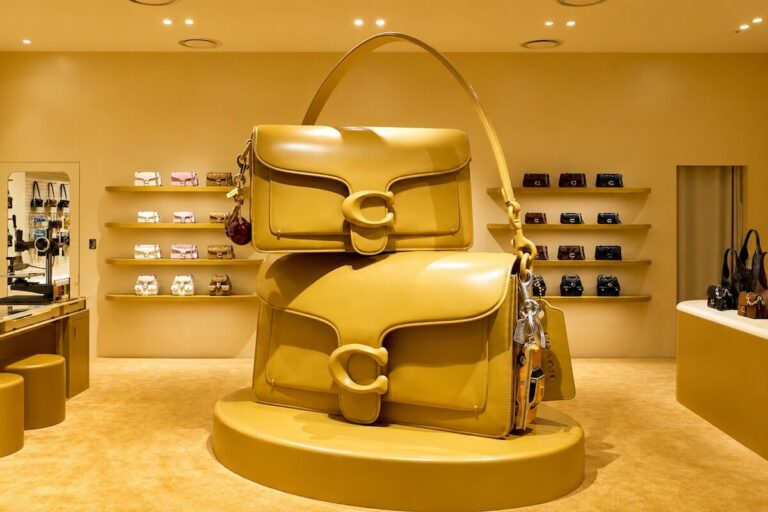
Gross margins and selected profit metrics for Coach, Pop Mart, lululemon, Miniso, Five Below, TJX and Costco, plus where each…
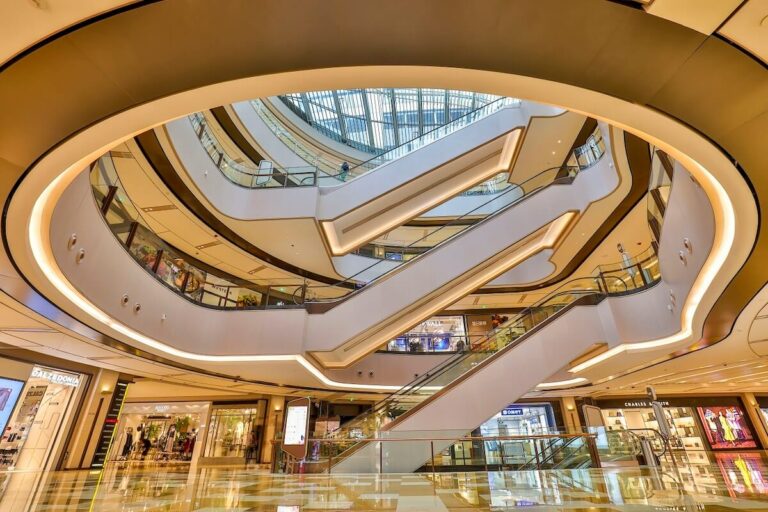
NikeSKIMS, Birkenstock and Starbucks Reserve chose HKRI Taikoo Hui for major China debuts. Why the Shanghai complex keeps winning new…
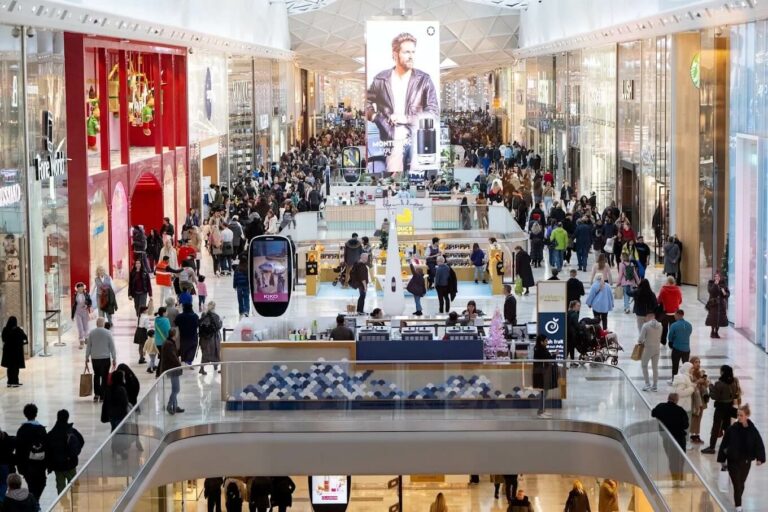
Bluewater opens its first new anchor since 1999. Next takes the former House of Fraser space with about 132,000 square…
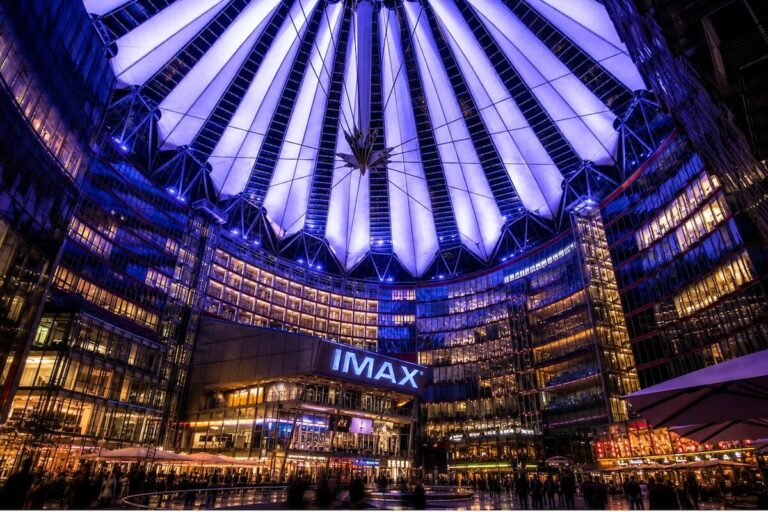
Opening in IMAX 70mm on July 17, 2026: Christopher Nolan's The Odyssey. Select shows went on sale one year in…

European retail is scaling AI, agentic commerce and retail media, but consumer trust is becoming the constraint. Four structural shifts…

Mall operators are no longer leasing space for pop-ups. They are selling audience access.
