
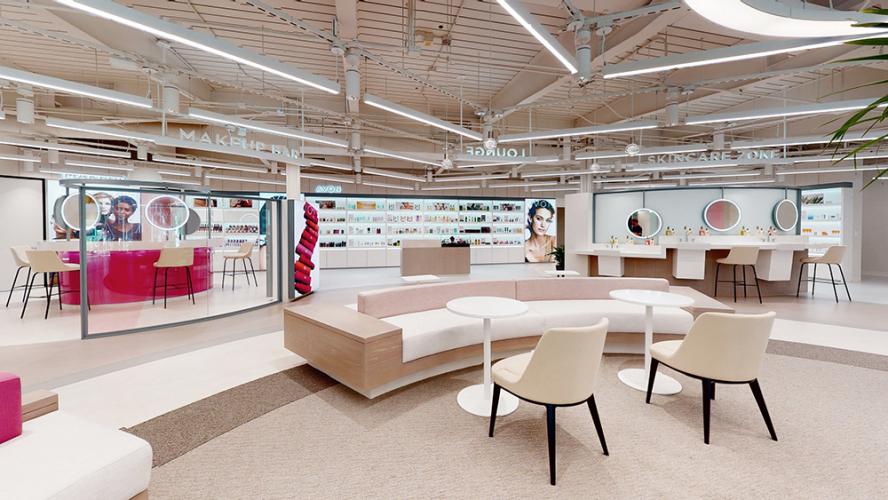
The company has entered a new business by opening a store in the Korean quarter of Los Angeles.
North American division Avon, which is owned by South Korean LG Household & Health Care since 2019, opened the first physical store of the brand. The brand, which previously relied on its independent sales representatives worldwide, took a significant step forward and entered a new boundary for itself.
The first Avon store was named Studio 1886, referring to the year of the brand foundation. The two-level outlet area is more than 18 000 sq. feet (1,700 sq. m.). The store offers customers the most popular Avon collections and new products in skincare, decorative cosmetics, perfumes, and personal care products. In addition to Avon products, Studio 1886 offers other brands owned by LG Household & Health Care.
Inside, space is conceived as an area for an exciting level of interaction with the brand. Avon customers and sales representatives can interact with consultants, try new products, and immerse themselves in the atmosphere of beauty and sophistication created by designers. A variety of educational events will be regularly held for Avon visitors and representatives.
However, due to the pandemic’s limitations, services such as make-up or skincare workshops are temporarily unavailable. The use of testers is also restricted, and samples will be provided in sealed packages. Besides, due to the pandemic, the number of visitors who will store and use the virus will be limited, and regular disinfection procedures are planned.
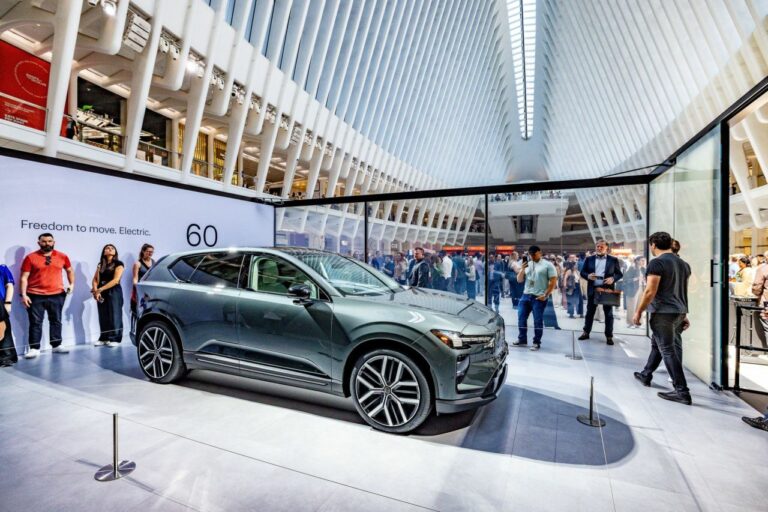
Mall operators are no longer leasing space for pop-ups. They are selling audience access.
Physical stores still drive most retail sales, fulfill online orders, support AI shopping, and help brands return to market.
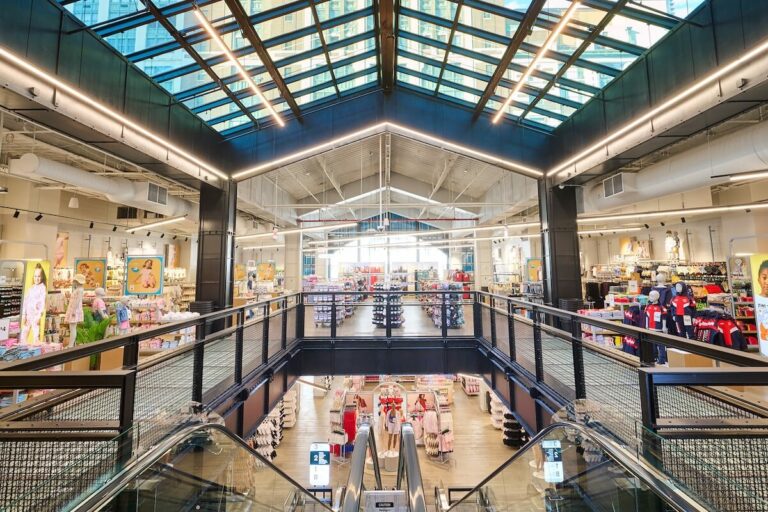
A practical guide to nine mall tenant formats in 2026, from flagships and pop-ups to anchor redevelopment and mixed-use retail.
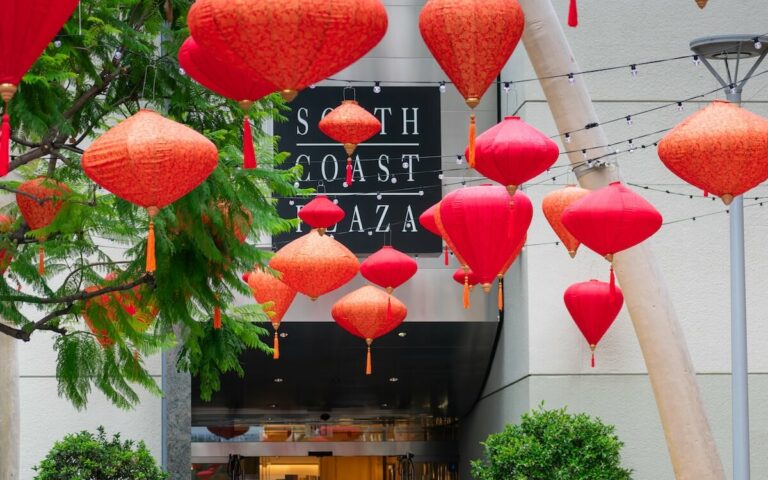
1,051 of 1,173 US malls hold zero ultra-luxury brands. Half of all Cartier, Chanel, Hermès, and Louis Vuitton mall stores…
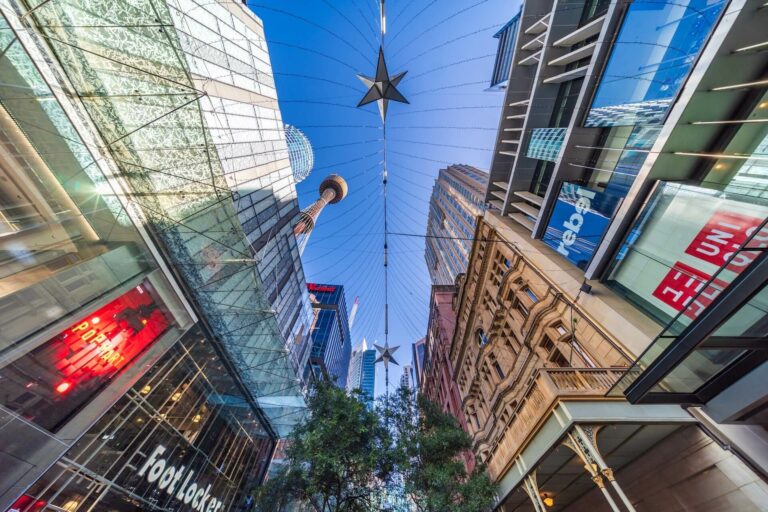
Every physical expansion decision starts with the same question: where does the store go?
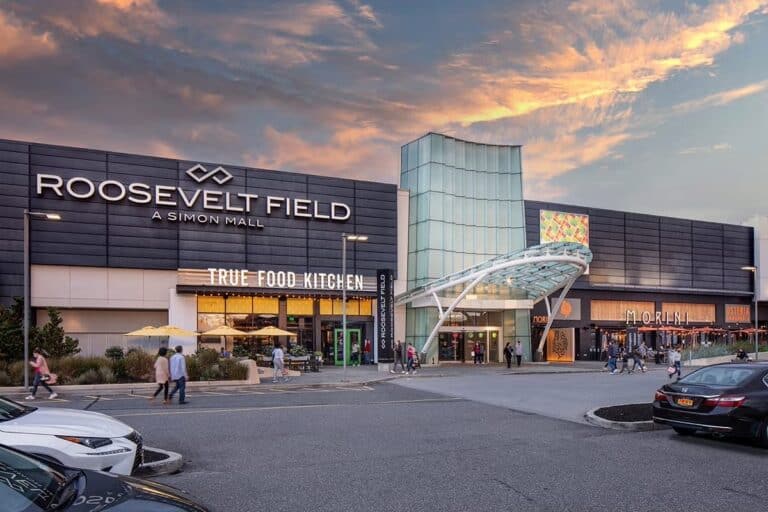
900 malls remain in the United States. The top 100 account for half the sector's value.
Verified signals on brand expansion, store openings, and mall development. Free.
Free · No credit card · Unsubscribe any time
Billed annually · View full comparison · Payment via invoice or PayPal
