

Dunkin’ Brands Group has announced the creation of a new position of Director of Digital Technology and Strategy.
The pandemic has heavily impacted the restaurant world around the world, and small businesses and large networks are being forced to change their approach to doing business today.
One important factor was the rise of mobile and digital technologies to the forefront. Reviewing their marketing budgets, many major players in the restaurant market are redirecting significant funds toward development. The parent company of restaurants Baskin-Robbins and Dunkin’ Donuts was no exception.
According to the company’s press release, Dunkin’ Brands Group has chosen full digital transformation as one of its strategic goals and intends to double its efforts in this area. A team will soon be set up to deal with digital marketing and media, as well as the transformation of the IT division of the restaurant group. Another important task of the new team will be to strengthen the company’s capabilities in these areas and reduce the need for external partners.
The team will be headed by the director of digital technology and strategy, Philipp Auerbach, who will take over from August 10. In his press statement, Auerbach promised to focus his efforts on building the company’s digital ecosystem and providing an even more personalized and comfortable experience for customers through all channels.
In particular, the existing Blueprint for Growth project, in which the network has significantly modernized its menu and technology, will be further developed. In particular, the introduction of online and mobile ordering technologies has been completed and is now in great demand amongst customers.
Previously a competitor of Dunkin’ Brands Group, the chain of coffee shops Starbucks has taken several steps to increase opportunities for working with digital technologies and is actively moving towards changing the format of its restaurants. The main objective of the change is to move away from large halls for visitors and towards greater use of online ordering processes, contactless delivery, and self-service services, said the organization. Similar transformations are now taking place in other restaurant chains, which have to adapt to the changing habits of their customers.
Photo credit: Depositphotos.com.
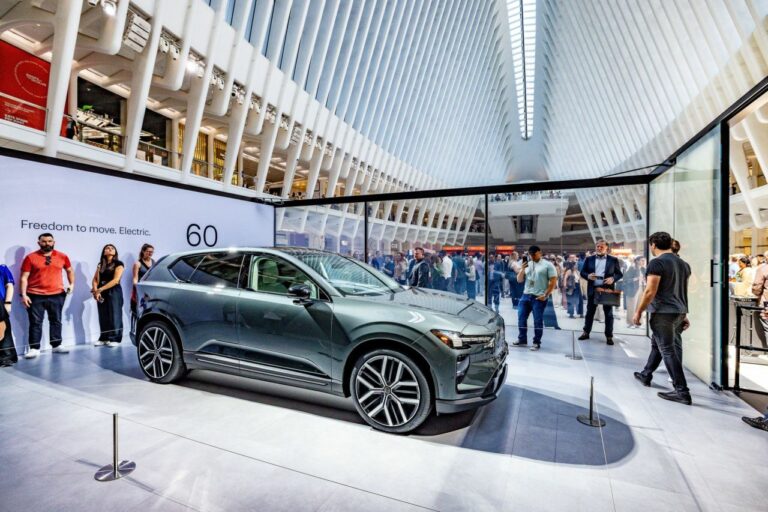
Mall operators are no longer leasing space for pop-ups. They are selling audience access.
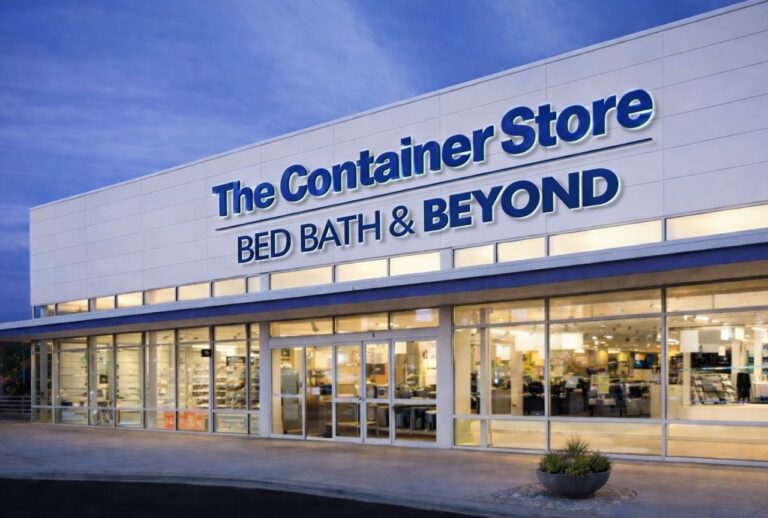
Physical stores still drive most retail sales, fulfill online orders, support AI shopping, and help brands return to market.
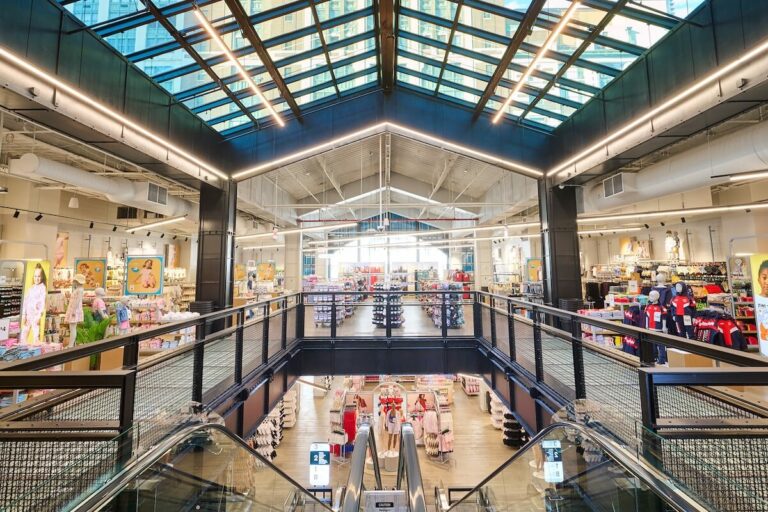
A practical guide to nine mall tenant formats in 2026, from flagships and pop-ups to anchor redevelopment and mixed-use retail.
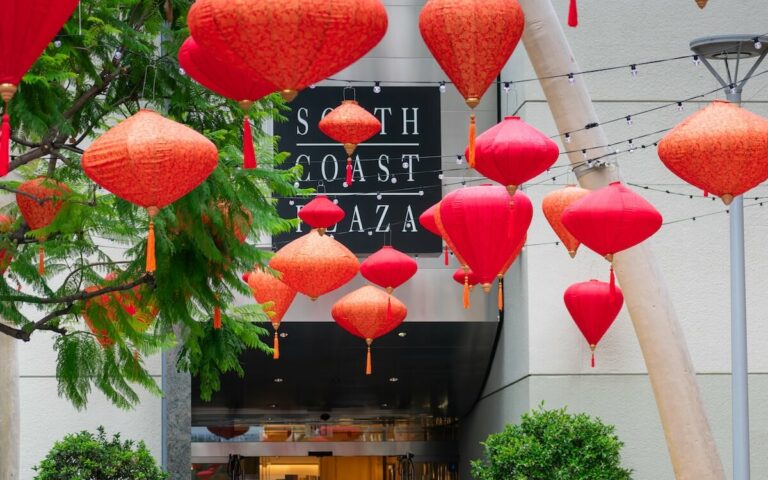
1,051 of 1,173 US malls hold zero ultra-luxury brands. Half of all Cartier, Chanel, Hermès, and Louis Vuitton mall stores…
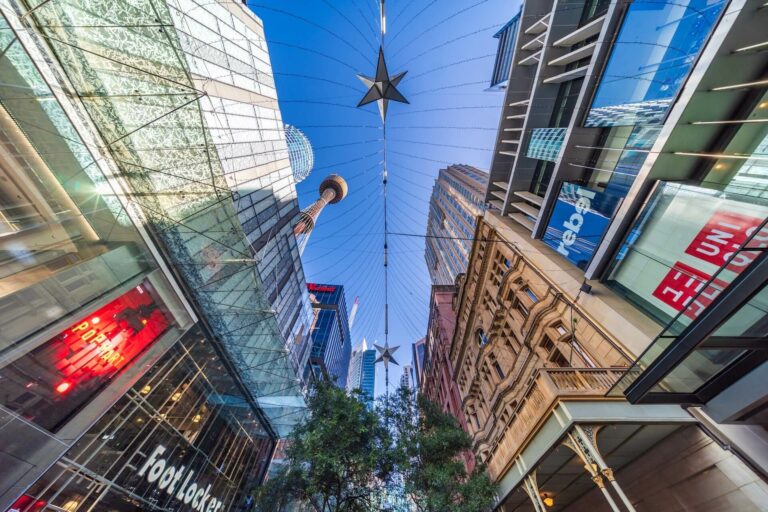
Every physical expansion decision starts with the same question: where does the store go?
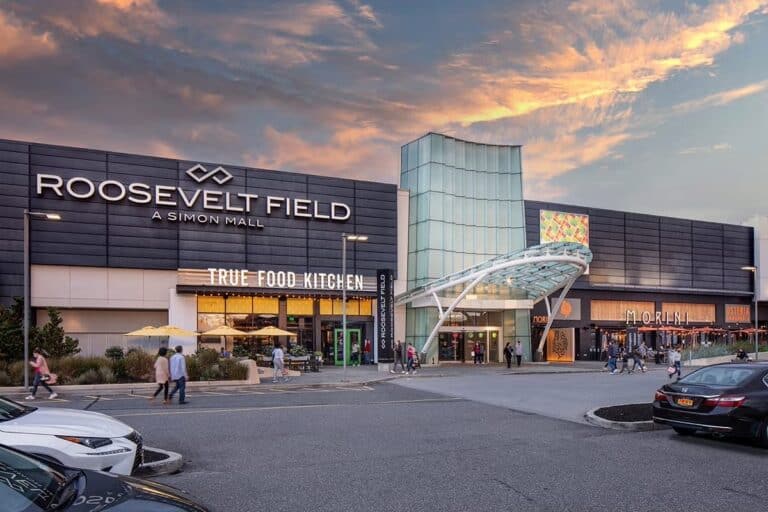
900 malls remain in the United States. The top 100 account for half the sector's value.
Verified signals on brand expansion, store openings, and mall development. Free.
Free · No credit card · Unsubscribe any time
Billed annually · View full comparison · Payment via invoice or PayPal
